
 Quicklinks▼
 Citrix Storefront
 CLIQ
CLIQ HCE Toolbox
 LEO
LEO MSDS
MSDS  Office 365 Mail
 Policy Manager
 Patient Care
 Self Service
 Remote VPN
 WILMA
WILMA


 Health Care Services Division
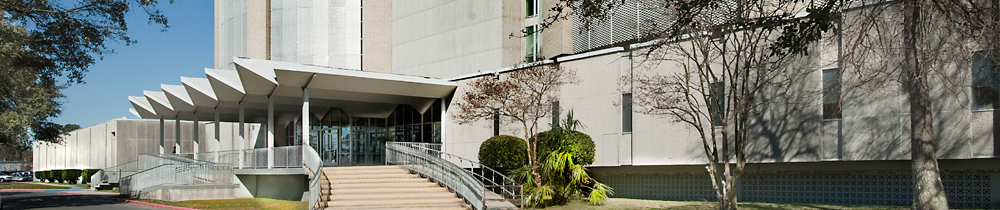
EARL K. LONG MEDICAL CENTER IS NOW CLOSED
CLINICS FORMERLY MANAGED BY EKLMC ARE NOW MANAGED BY LSU HEALTH BATON ROUGE,
A DIVISION OF OUR LADY OF THE LAKE.
LSU Health Baton Rouge, a Division of Our Lady of the Lake
For Central Scheduling, call 225.358.4853
For clinic locations, information and more, visit
Our Lady of the Lake Medical Center
LSU Patient Help Line: 1.877.578.8255
Patients, Providers and Agencies Needing Medical Records from Earl K. Long Medical Center can still request them even though Earl K. Long Medical Center closed its doors on April 14, 2013, patients and their healthcare providers still have access to medical information concerning the treatment and care received by patients at EKLMC.
Information regarding patients’ healthcare received at EKLMC is available to the LSU Health physicians and nurse practitioners who are providing care in the LSU Health Baton Rouge clinics.
Information regarding EKLMC patient healthcare is also available to patients’ providers who are outside of LSU Health.
Other providers, agencies and patients seeking direct inquiries for the release of information should click here.